
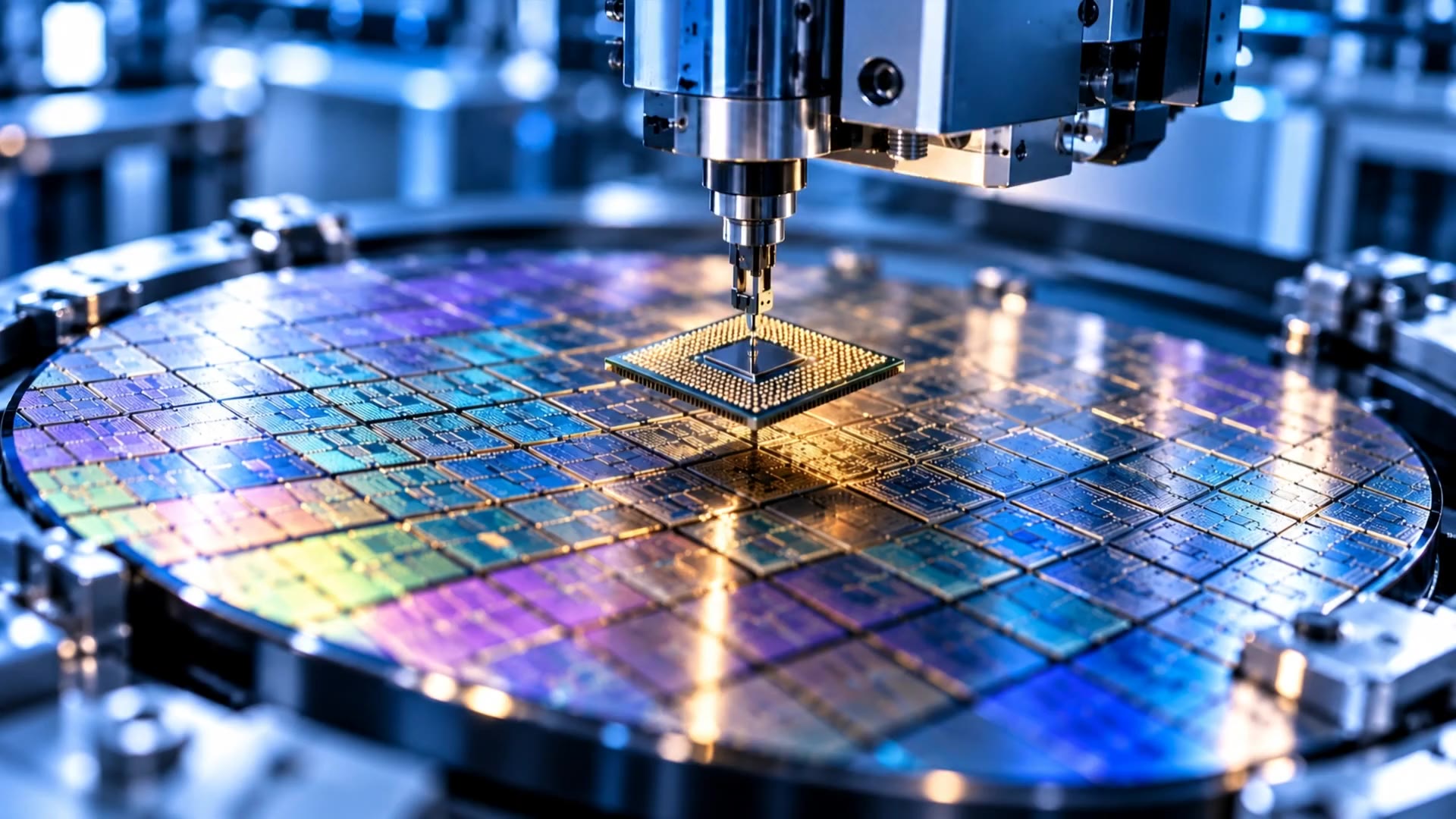
Ultrapure water and process materials. Fab-grade, every batch.
We design the ultrapure water and discharge programs fabs depend on, and we supply the specialty process chemicals and consumable materials semiconductor fabs run on, sourced, tested and delivered to the consistency fab processes require.
 Ultrapure in · Controlled discharge out
Water treatment for semiconductor fabs
Every chip manufactured today starts with ultrapure water and ends with tightly controlled discharge. We design programs that hold both ends to spec, under the same program as the process materials above.
Water circularity for semiconductor fabs
Fab water has to be exceptionally clean going in and tightly controlled going out. Here's what the program covers, end to end.
-
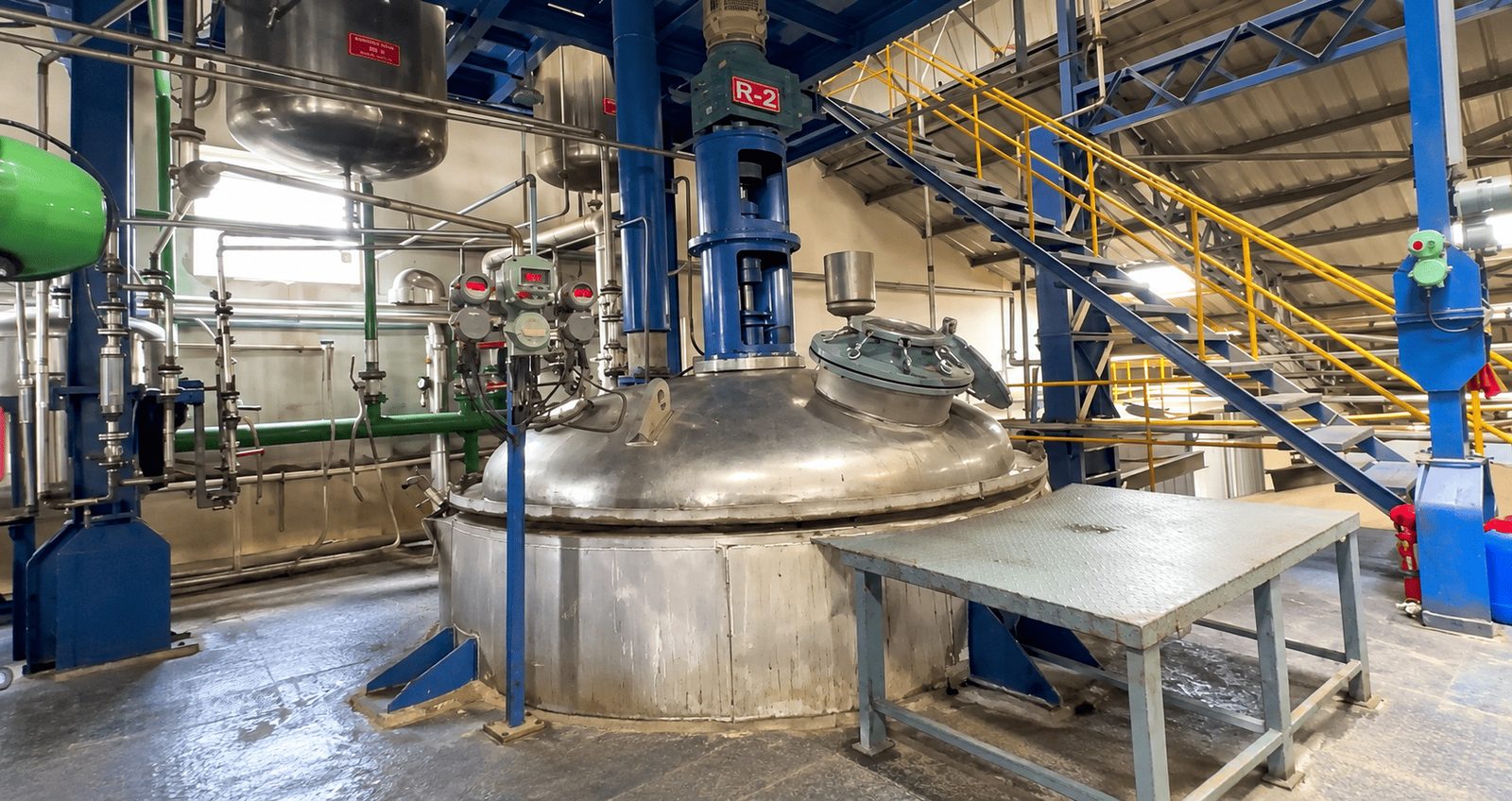
Ultrapure water production
Pretreatment and polishing chemistry designed to hold the tight specs fab processes require.
-
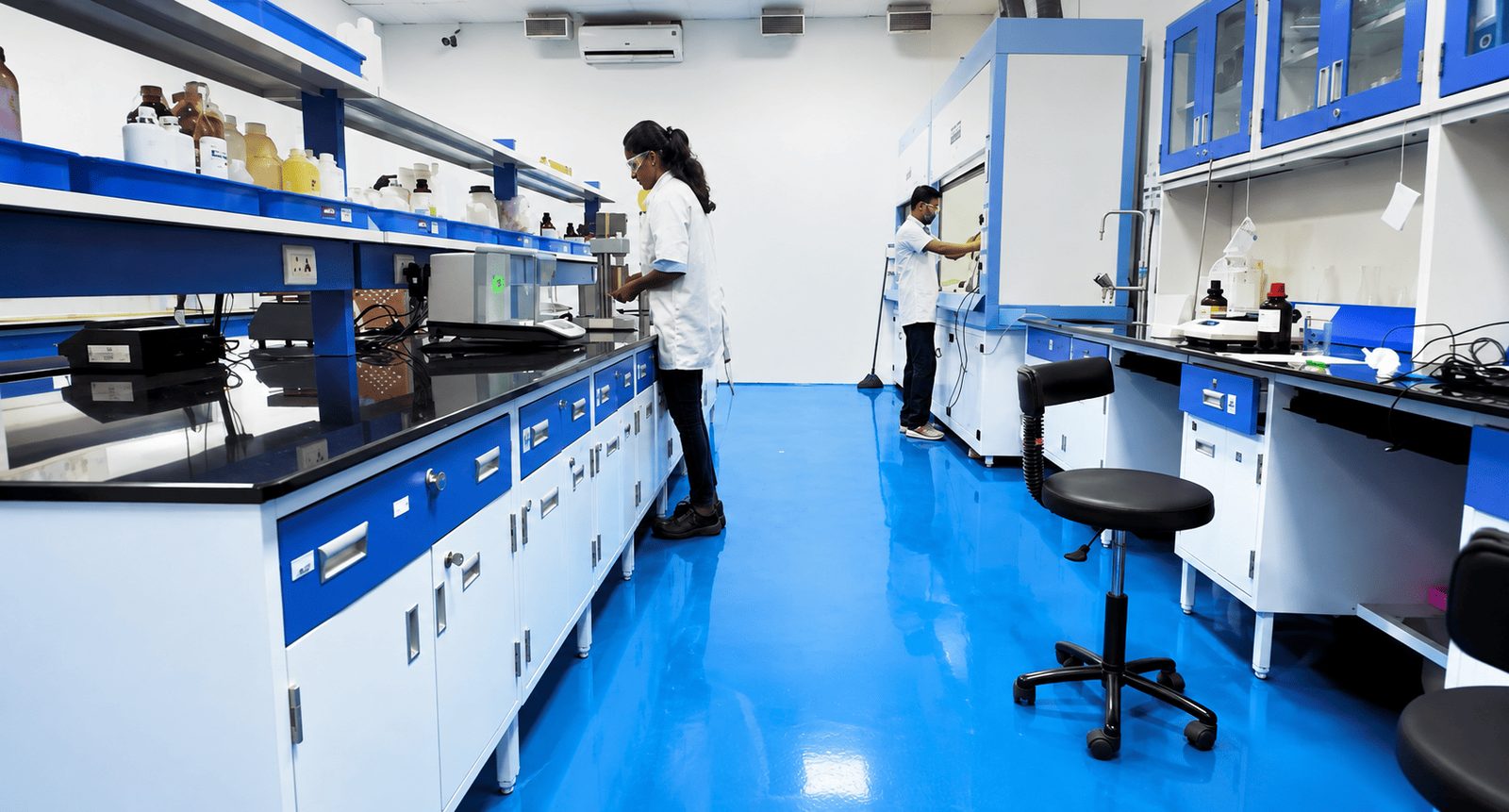
Trace-contaminant control
Chemistry programs built around the specific trace contaminants a given process is sensitive to.
-
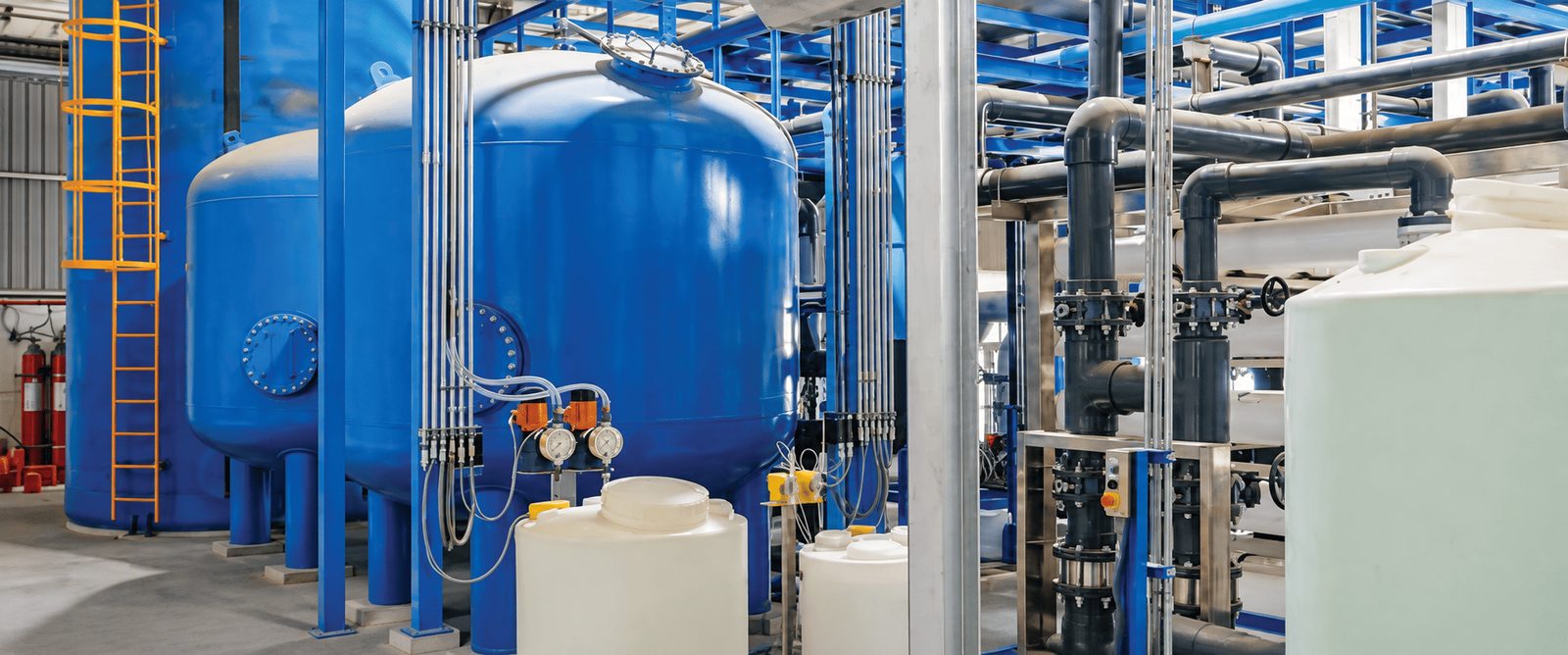
RO / membrane performance
Anti-scalant and cleaning programs that protect membrane life and hold recovery rates over time.
-
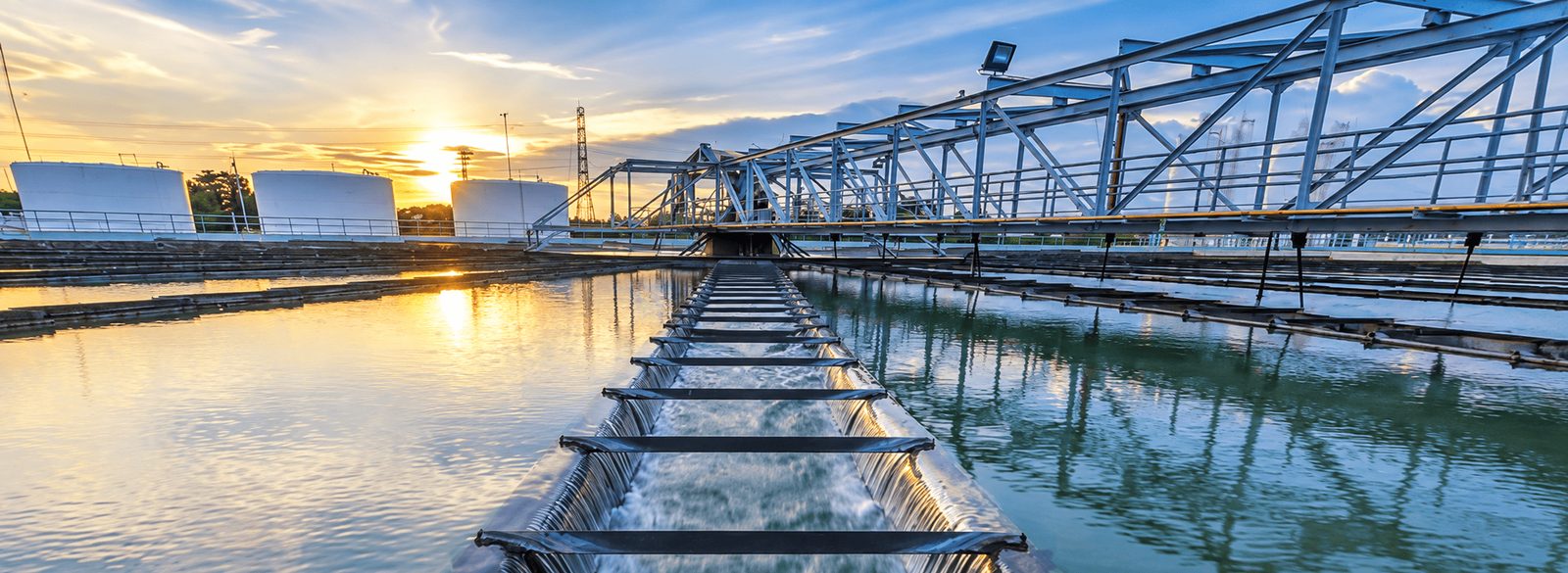
Reclaimed-water reuse
Reusing reclaimed water across less-sensitive process stages instead of drawing fresh makeup for each.
-
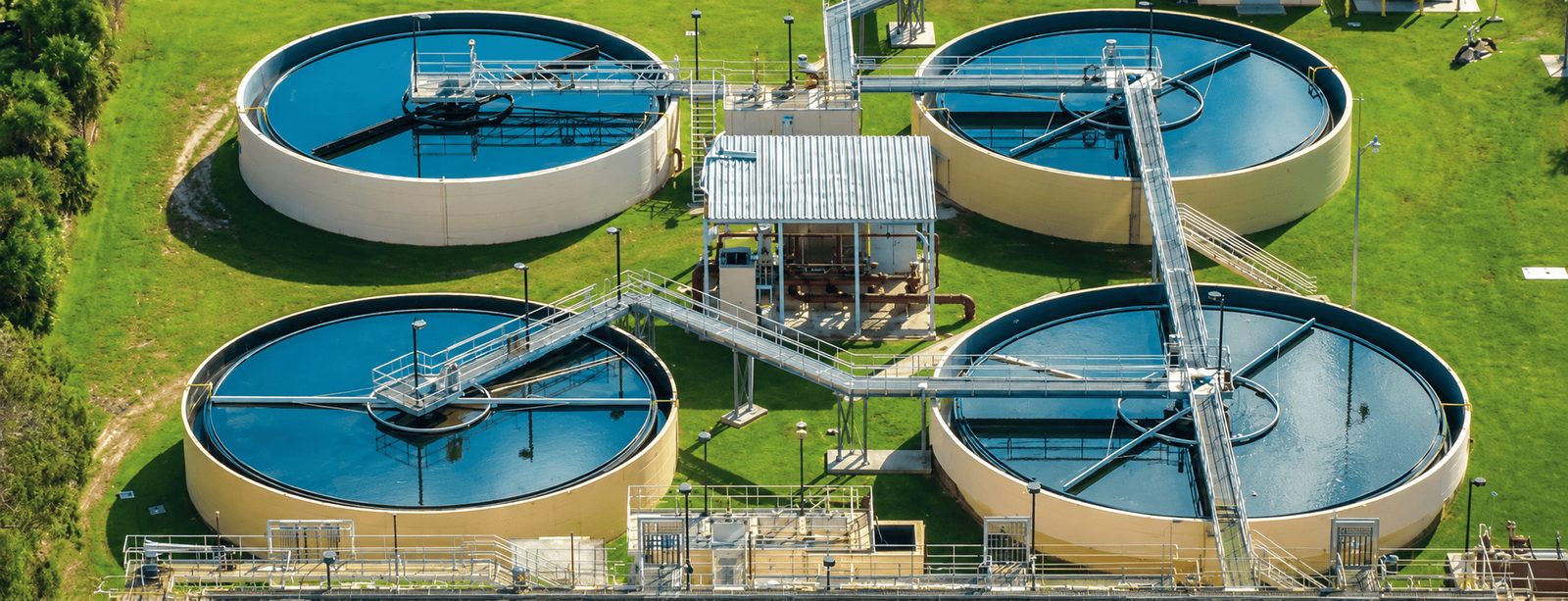
Wastewater recovery
Recovering value and volume from process wastewater streams before they leave the site.
-
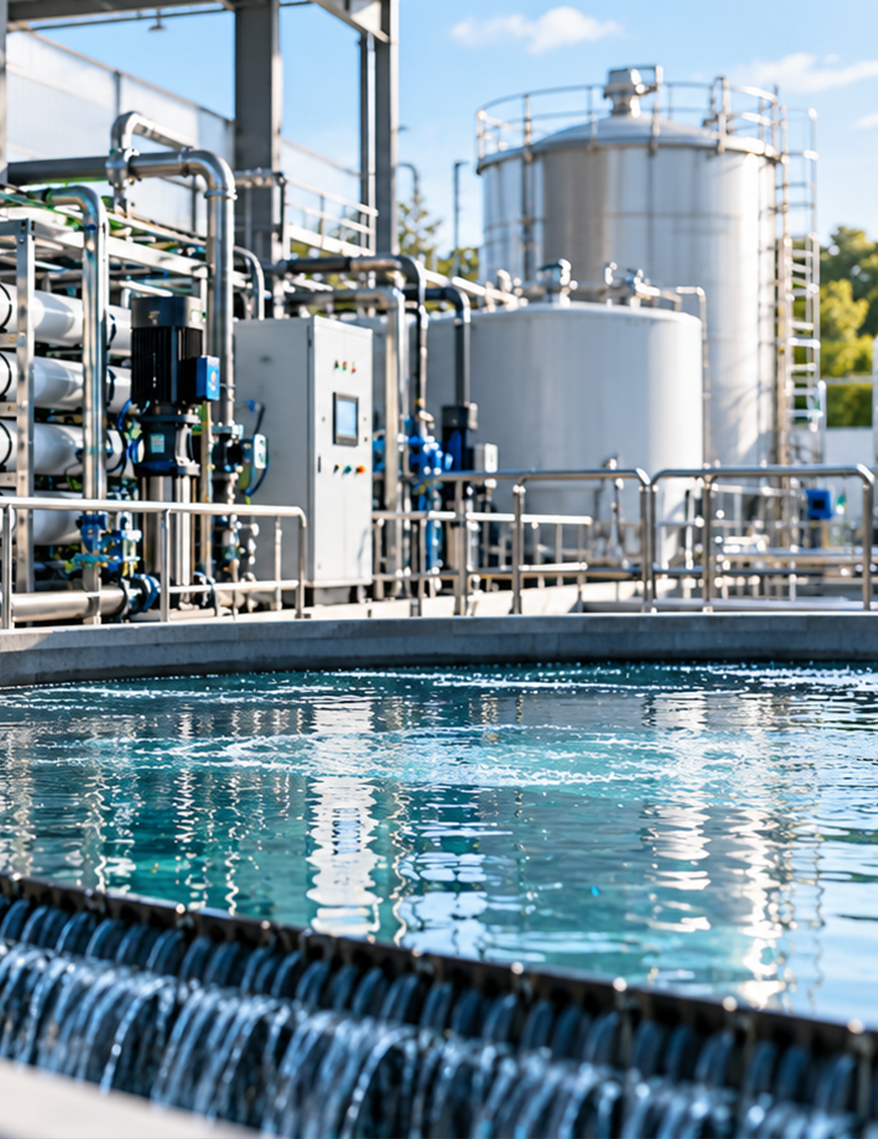
ZLD / MLD for discharge limits
Minimal or zero liquid discharge strategies built to meet stringent local discharge regulations.
Water treatment: what we do
Three categories, one program: the products we supply, the technologies we build the program around, and the services that keep it running.
What we supply
-
Chemistry used ahead of and within an ultrapure water system: conditioning for pretreatment filters and membranes, and polishing steps that hold the final water to the tight specifications fab processes require.
-
Treatment programs aimed at specific contaminants a process is sensitive to, such as organics, silica or metals, where even parts-per-billion levels can reduce yield.
-
Anti-scalants prevent mineral scale on reverse osmosis membranes, and cleaning chemicals remove fouling when it forms. Together they protect membrane life and keep recovery rates up over time.
-
Pressure vessels and housings that hold filter cartridges and membrane elements in a treatment train, specified for the pressure, flow and materials a high-purity system needs.
-
Portable polishing units that bring ultrapure water back to specification during maintenance windows or unplanned downtime, typically with mixed-bed deionization and filtration.
-
Rented reverse osmosis, microfiltration and clarification systems that provide interim capacity for line commissioning, expansion or shutdowns while permanent equipment is built or serviced.
What the program runs on
-
Multi-stage treatment that typically runs from multimedia and carbon pretreatment through reverse osmosis and continuous electrodeionization to UV-based organic reduction and polishing deionization. Fab-grade water is often specified to resistivity near 18.2 megohm-cm with organic carbon in the low parts per billion.
-
Tuning pretreatment, antiscalant dosing, cleaning schedules and operating pressure so membranes deliver stable output and recovery for longer between cleanings or replacements.
-
Matching water quality to the use. Reclaimed water goes to less-sensitive stages, such as scrubbers, cooling or rinse water, instead of drawing fresh makeup for every step.
-
Systems that treat process wastewater streams so water can be recovered and reused on site, cutting freshwater intake and the volume sent off site.
-
Continuous measurement of water quality across the treatment train, such as resistivity, conductivity and flow, so drift is caught early.
-
Planning for zero or minimal liquid discharge, using membranes and, where required, evaporation or crystallization to meet strict local discharge limits. The right approach depends on the site's regulations and wastewater makeup.
What we run for you
-
A review of where a fab uses and discharges water, by process stage, to find reuse, recovery and efficiency opportunities.
-
Designing the water program around the fab's specifications, then commissioning it and verifying performance before handover.
-
Routine testing and adjustment of chemical feed so treatment stays within target ranges as demand and feed-water quality change.
-
Round-the-clock access to technical staff and monitoring so an out-of-spec reading gets a response at any hour.
-
Equipment and crews that can reach a fab on short notice to hold water quality during unplanned or planned shutdowns.
-
Preparing the monitoring records and reports a site needs to demonstrate that its wastewater discharge meets permit limits.
Process materials: what we do
Three categories, one program: the materials we supply, the quality systems we build on, and the services that keep supply reliable.
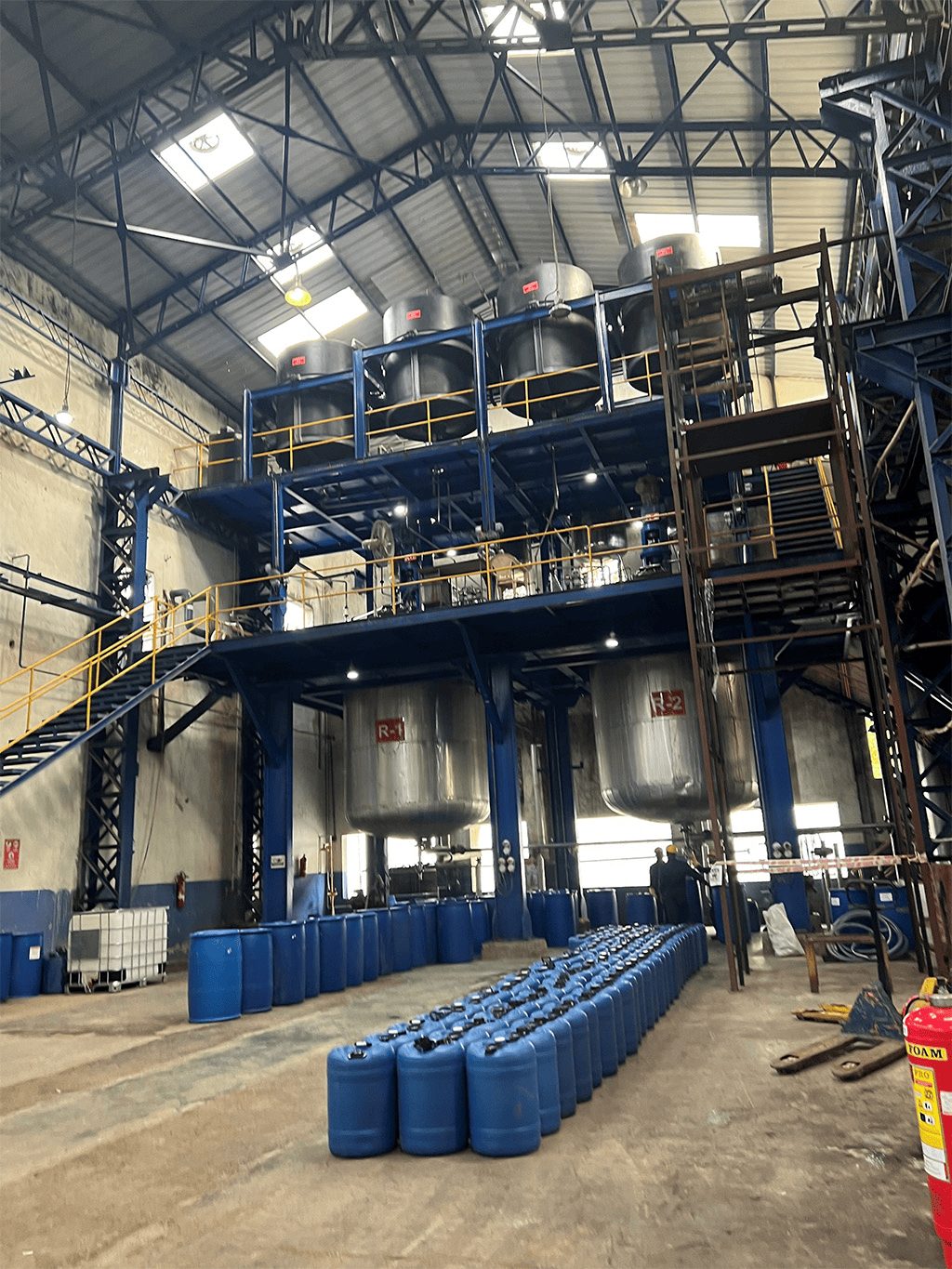 Sourced · Tested · Traceable
What we supply
-
Chemicals formulated for specific fab process steps (deposition, cleaning, doping) rather than general industrial grades, where trace impurities can affect device yield.
-
Solvents and etchant chemistries refined to the purity grades wafer processing requires, used to strip photoresist, clean surfaces and selectively remove material layers.
-
Wet-clean chemistries used between process steps to remove particles, organics and metallic contamination from a wafer surface before the next step runs.
-
The polishing slurries and pads used in chemical mechanical planarization (CMP), the step that flattens a wafer's surface between layers of circuitry, along with the consumables a CMP process depends on.
-
The valves, regulators, gas cabinets and manifold hardware that deliver ultra-high-purity gases and chemicals from bulk storage to the point of use on the fab floor without introducing contamination.
-
Packaging engineered to keep a material at the purity level it was qualified at, from the point it's made to the point it's used in the fab.
What we build on
-
Testing and process controls that hold every batch of a material to the same specification, so a fab isn't reacting to variation between shipments.
-
Handling and storage practices (controlled environments, qualified containers, particle and trace-metal controls) that protect a material's purity between manufacture and use.
-
Technical support for qualifying a chemical against a specific process: verifying it performs as needed and is compatible with the tools and materials it will contact.
-
Lot-level tracking from raw material through to delivery, so if a question comes up about a specific batch, its full history can be pulled.
-
Formulating a chemistry to a fab's specific process requirement rather than offering only standard off-the-shelf grades.
-
In-house or partnered analytical testing (purity, particle count, trace metals) that verifies a material meets spec before and after it ships.
What we run for you
-
Working with a fab's process engineers through the qualification process for a new material, from initial testing through production approval.
-
Forecasting and managing inventory so critical materials are on hand when a fab needs them, without a fab carrying excess stock itself.
-
Technical staff available to troubleshoot a material or process issue directly with a fab's team, rather than routing every question through a sales channel.
-
Safety data sheets, regulatory filings and documentation support for materials subject to chemical handling and import/export regulation.
-
Expedited sourcing when a critical material runs short, so a process line isn't idled waiting on standard lead times.
-
A defined process for investigating and resolving a quality issue quickly, including root-cause analysis and corrective action.
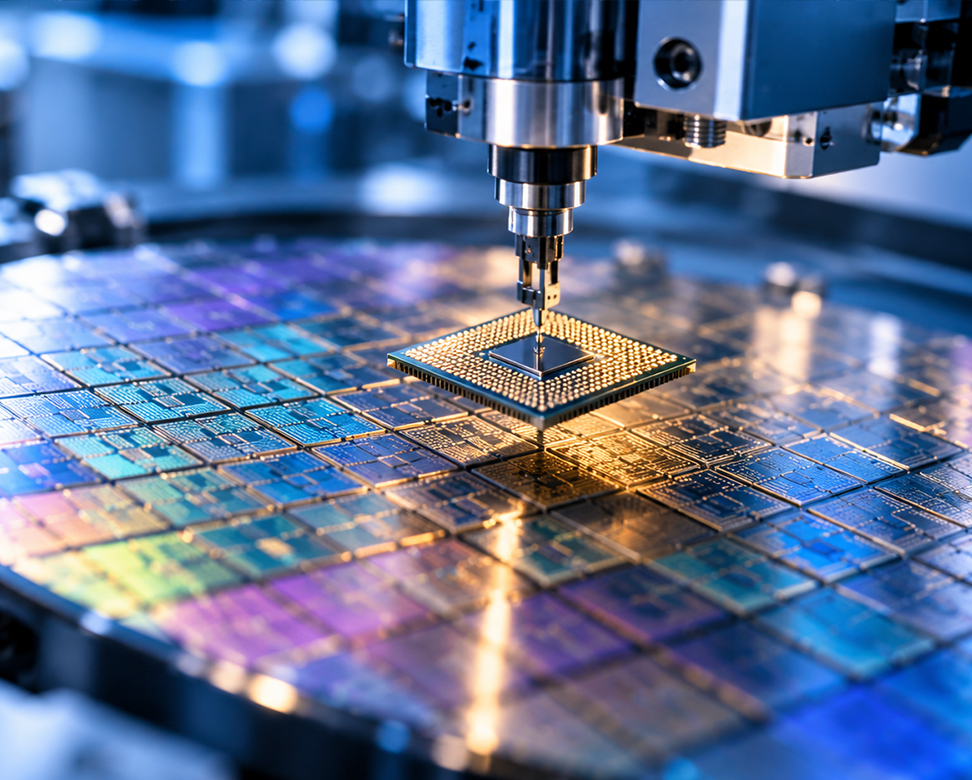
Materials your fab can qualify once and trust every time
Fabs can't afford to requalify a material every shipment. We hold batch-to-batch consistency and document it, so what you qualified is what you keep receiving.
- Batch-to-batch consistency
- Full traceability documentation
- Direct line to your process engineer
- Rapid requalification support
Standby & interim capacity
A line commissioning window or an unplanned shutdown shouldn't put UPW supply at risk. We bring interim capacity in fast, without compromising water quality.
-
Mobile UPW polishing units
Deployed on site to hold ultrapure water spec during maintenance windows or unexpected system downtime.
-
Rental RO, MF & clarification
Bridging capacity for line commissioning, capacity expansion, or planned shutdowns, without waiting on permanent builds.
-
Temporary bypass treatment
Interim chemical treatment run in bypass while primary systems are offline for service or upgrade.
-
Rapid mobilization
Equipment and technical crews on short notice, so an unplanned event doesn't interrupt the fab.