
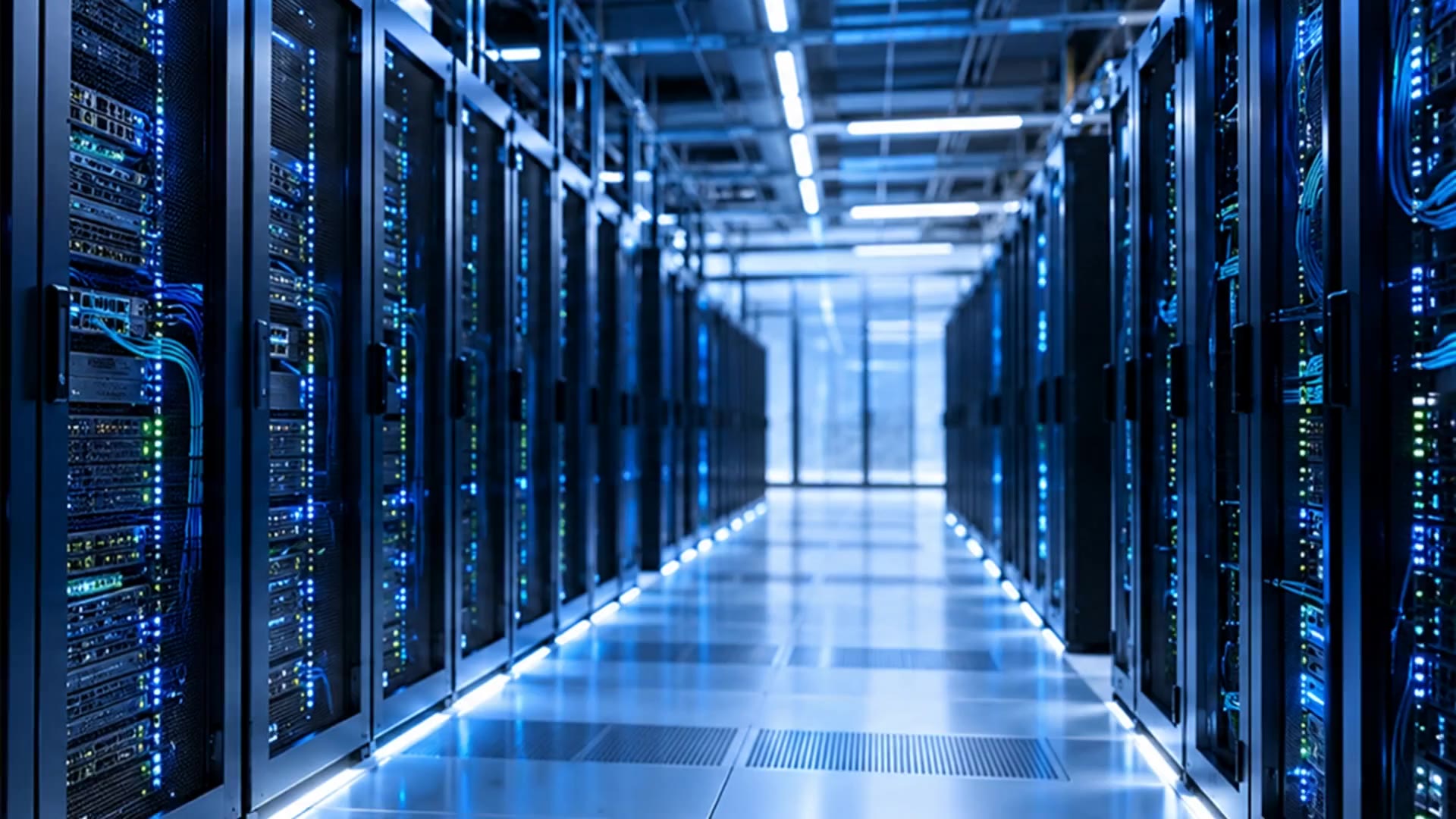
Water and Infrastructure
We design the water treatment that keeps cooling loops efficient and increasingly circular, and we engineer, manufacture and supply the mechanical infrastructure data center builds depend on (piping systems, skids, tanks, valves, molded components and instrumentation), delivered and commissioned by the same crews.
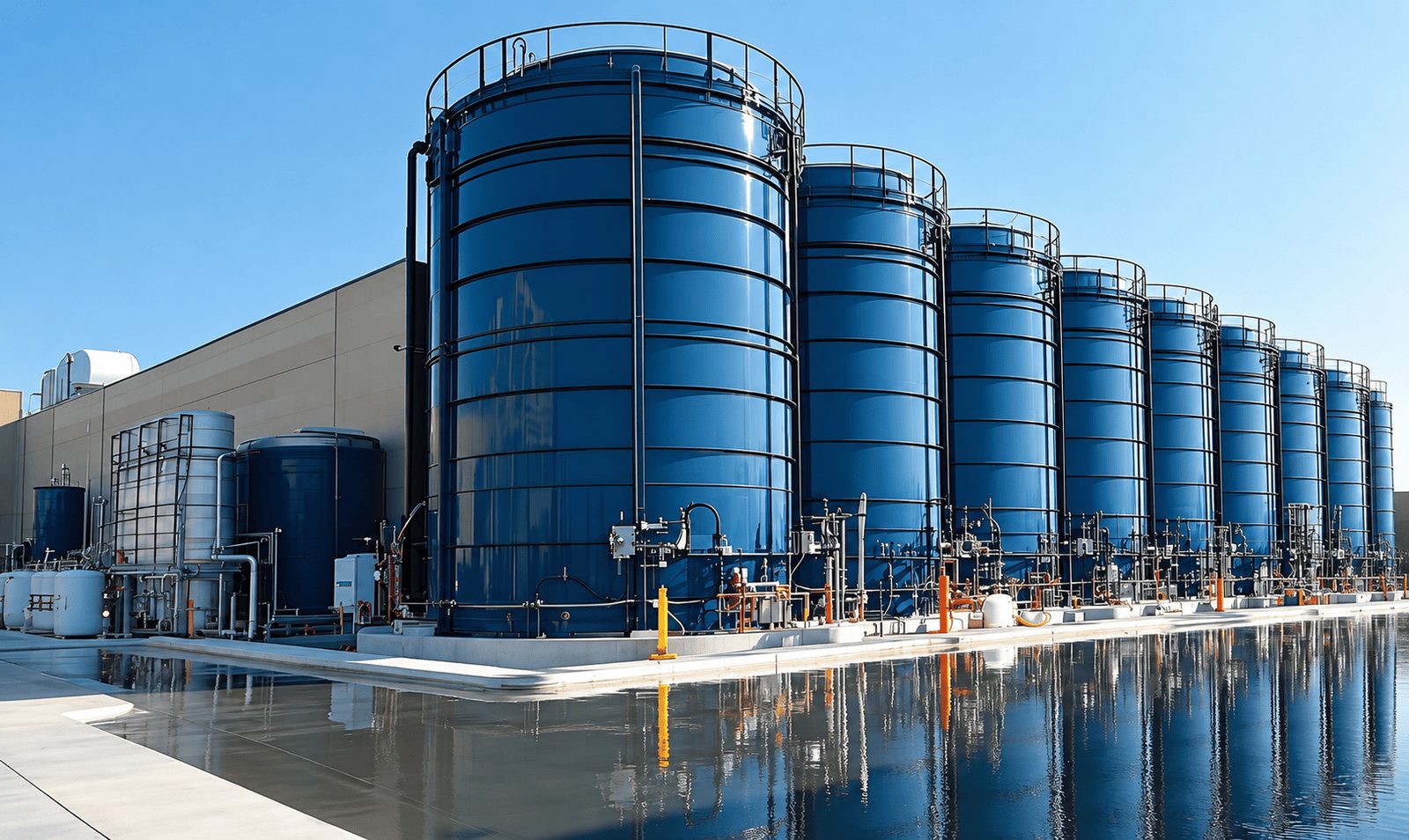 Cooling loops · Makeup water · Reuse
Water treatment for data centers
Hyperscale compute runs hot, and cooling now draws on water at a scale most sites were never built for. We design the chemistry and hardware that keep cooling loops efficient, reliable and increasingly circular, under the same program as the mechanical infrastructure above.
Water circularity for data centers
Every cooling loop is a candidate for tighter chemistry and less freshwater makeup. Here's what that program covers, end to end.

-
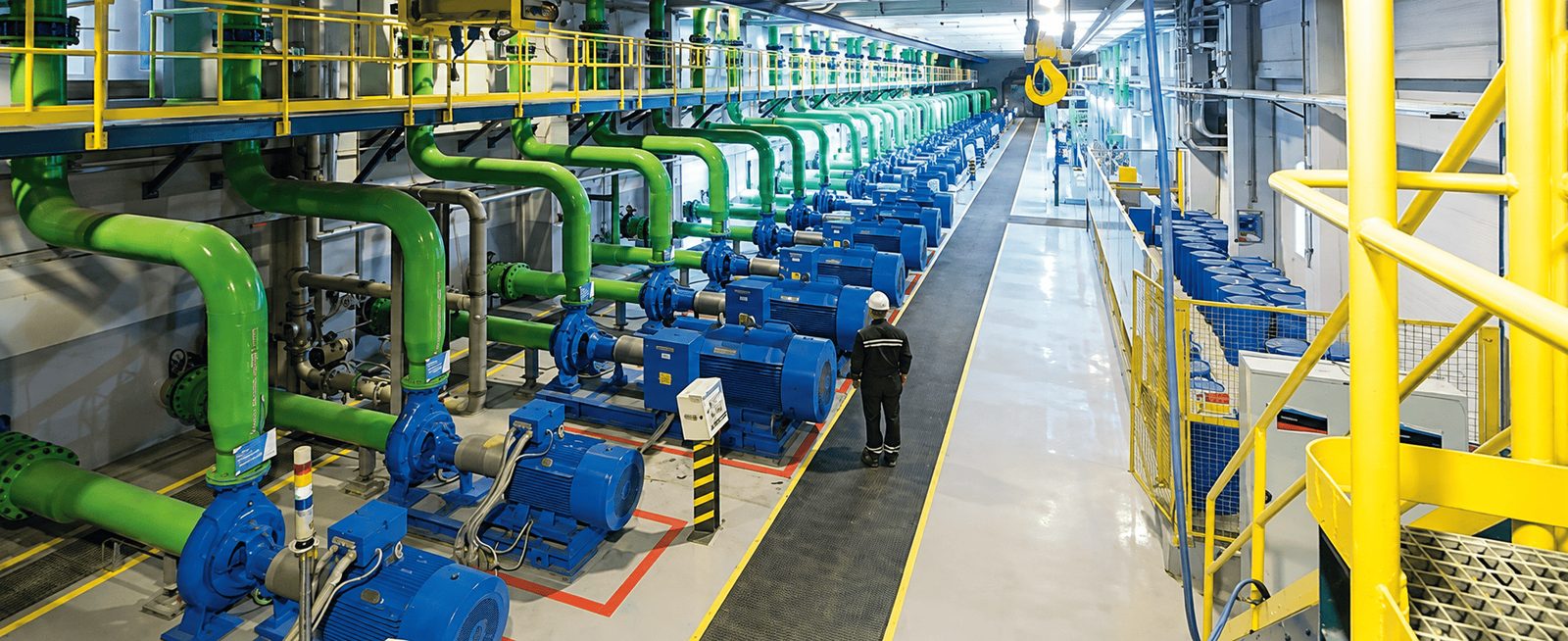
Cooling-water optimization
Scale, corrosion and biological control tuned to the loop's actual water chemistry, not a standard dosing table.
-
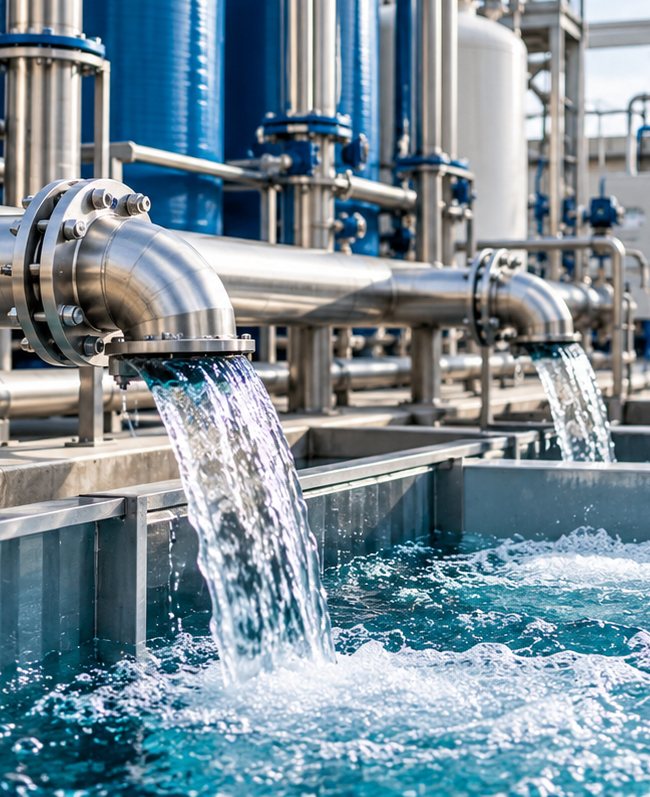
Higher cycles of concentration
Pushing cycles up wherever the chemistry safely allows, cutting blowdown and freshwater makeup together.
-
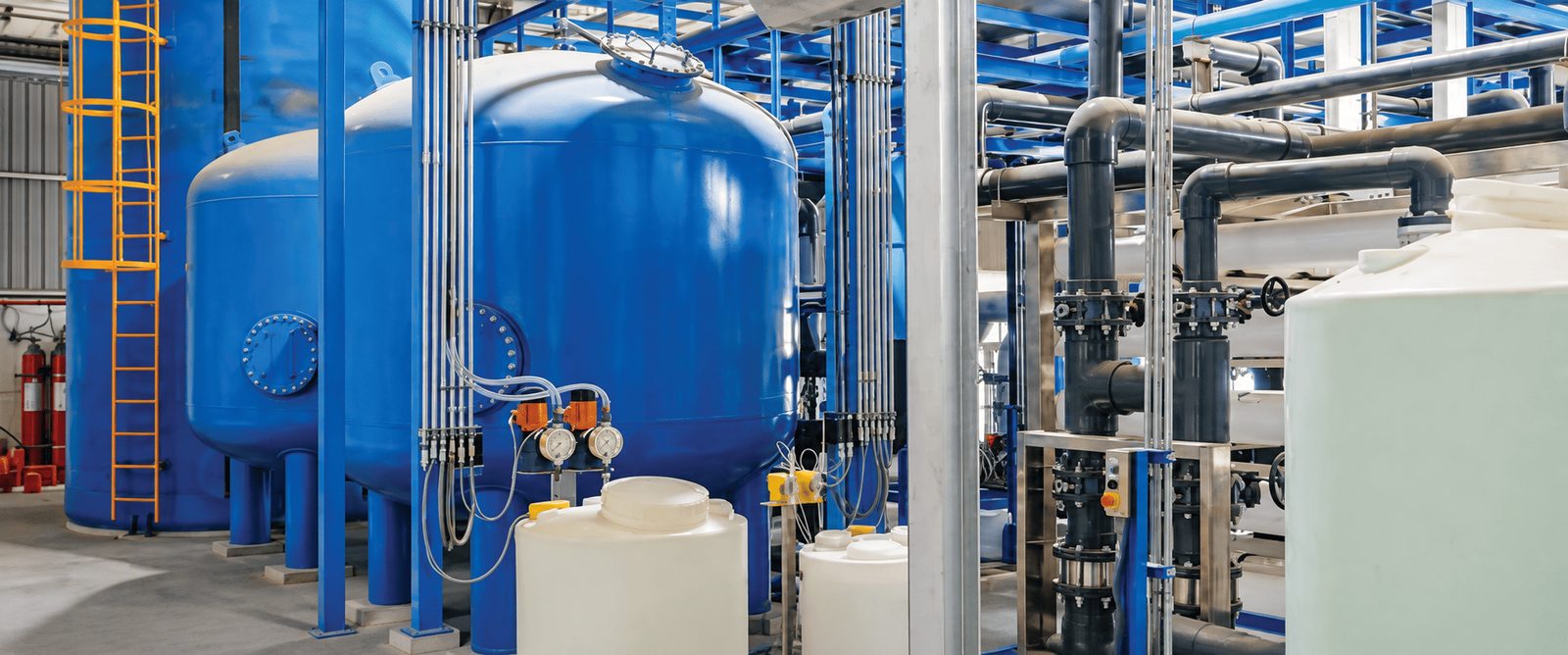
RO / membrane performance
Anti-scalant and cleaning programs that protect membrane life and hold recovery rates over time.
-
Reclaimed-water utilization
Bringing reclaimed or non-potable sources into the makeup water mix where site conditions allow.
-
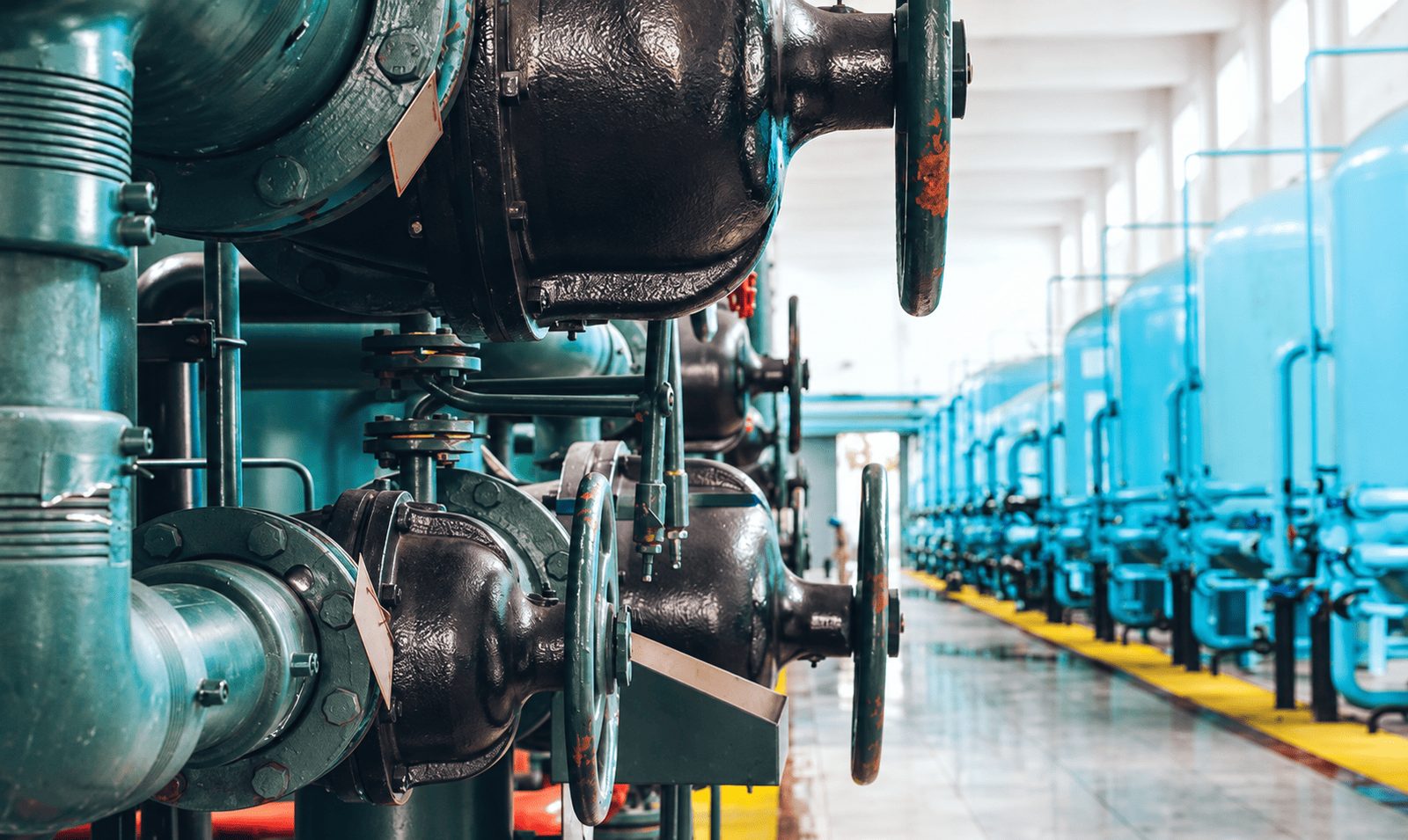
Wastewater recovery & reuse
Capturing blowdown and process streams for reuse elsewhere on site instead of sending them to drain.
-
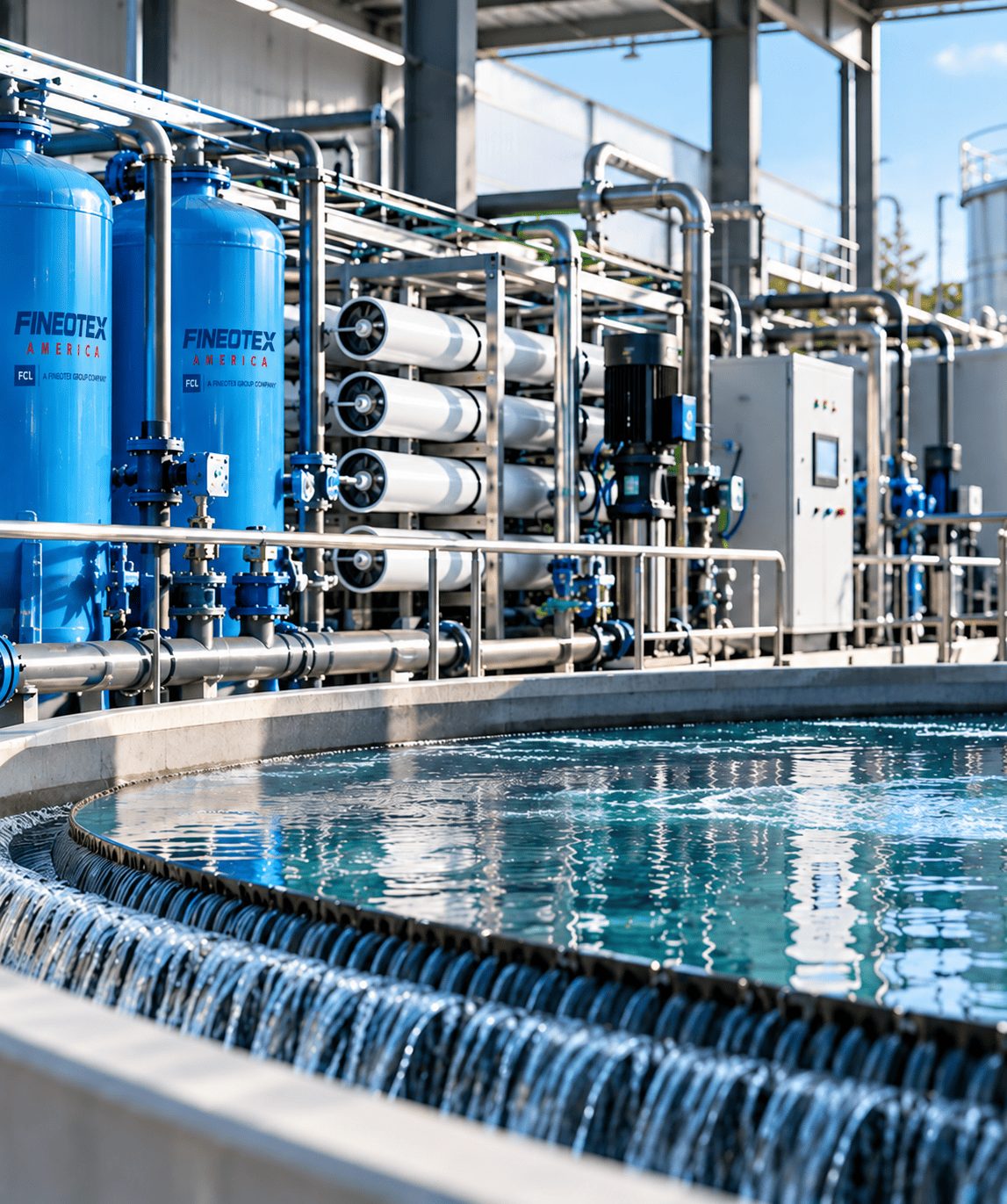
ZLD / minimal-liquid-discharge
Where regulation or site constraints require it, a path toward minimal or zero liquid discharge.
Water treatment: what we do
Three categories, one program: the products we supply, the technologies we build the program around, and the services that keep it running.
What we supply
-
Chemicals dosed into cooling water to stop mineral scale from forming on heat-exchange surfaces and to protect metal piping and equipment from corrosion. Both cut heat-transfer efficiency and shorten equipment life when left uncontrolled.
-
Oxidizing and non-oxidizing biocides that control bacteria and biofilm in cooling water. Biofilm lowers heat transfer, drives under-deposit corrosion and can shelter Legionella, so control programs follow industry guidance such as ASHRAE 188.
-
Specialty polymers fed ahead of reverse osmosis membranes to keep dissolved minerals from crystallizing on the membrane surface as the water is concentrated. They protect membrane life and let the system run at higher recovery.
-
Pre-built, factory-tested skids that hold chemical feed pumps, tanks, controllers and sensors. Feed can be tied to makeup-water flow so dosing stays proportional to the fresh water entering the system.
-
Trailer- or skid-mounted reverse osmosis, microfiltration and clarification units rented for a defined period. They cover commissioning, planned shutdowns or temporary makeup-water needs without a permanent build.
-
Portable units that deliver disinfectant to a cooling loop or piping system on site. They allow one-off or scheduled disinfection, such as after construction or a microbial event, without a permanent installation.
-
Storage tanks for treatment chemicals, glycol coolant and backup-generator fuel, sized to the site and built from materials compatible with what they hold. Temporary tanks can bridge the period before permanent storage is ready.
What the program runs on
-
An integrated program of corrosion and scale control, microbiological control and blowdown management, with testing of pH, conductivity, hardness, alkalinity and chlorine residual. Corrosion coupons track how well the program is protecting the system over time.
-
Cycles of concentration measure how many times dissolved minerals build up in tower water versus makeup water, commonly tracked through conductivity. Raising cycles cuts blowdown and makeup water, but only as far as the water chemistry safely allows before scaling risk climbs.
-
Membrane systems that remove dissolved solids and fine particles from makeup water or from cooling-tower blowdown so it can be reused. They are usually preceded by filtration and chemical conditioning to protect the membranes.
-
Bringing reclaimed or non-potable sources, such as treated municipal effluent, into the makeup supply where site conditions and water quality allow. It reduces demand on potable freshwater, though it usually needs more careful chemical treatment.
-
Continuous sensors for conductivity, pH, oxidation-reduction potential and flow, feeding a single view so drift in the water is caught before it becomes a service call.
-
Design of treatment trains that recover most of the blowdown for reuse and leave little or no liquid discharge, using membranes and, where required, evaporation. It is typically considered where discharge is restricted or freshwater is scarce, and its cost is significant.
-
Staged procedures to clean, flush and fill new cooling loops before startup: hydrotest, flush with staged filtration, then fill with water that meets documented conductivity and microbiological limits. Done right, the loop starts clean instead of carrying construction debris into sensitive equipment.
What we run for you
-
A review of how water enters, moves through and leaves a facility, including makeup volumes, cycles, blowdown and chemistry. It identifies where freshwater use and treatment cost can come down.
-
Designing the treatment program for a site's actual water and equipment, then starting it up and verifying it performs to spec before handover.
-
Routine testing and adjustment of chemical feed so the system stays within target ranges as water quality, load and weather change.
-
Round-the-clock access to technical staff and monitoring, so alarms and upsets get a response outside business hours.
-
Rapid dispatch of mobile treatment equipment and crews when a site loses capacity unexpectedly, to restore water supply and treatment quickly.
-
Regular reports on water use, cycles, chemical consumption and corrosion indicators, with recommendations to improve them.
-
Dedicated technicians stationed at the facility to run and maintain the water systems day to day, rather than visiting periodically.
-
Tanker delivery of water to a site when the permanent supply is constrained or interrupted, so cooling is not forced to shut down.
Mechanical infrastructure: what we do
Three categories, one program: the equipment we manufacture and supply, the engineering we build it on, and the services that get it installed and running.
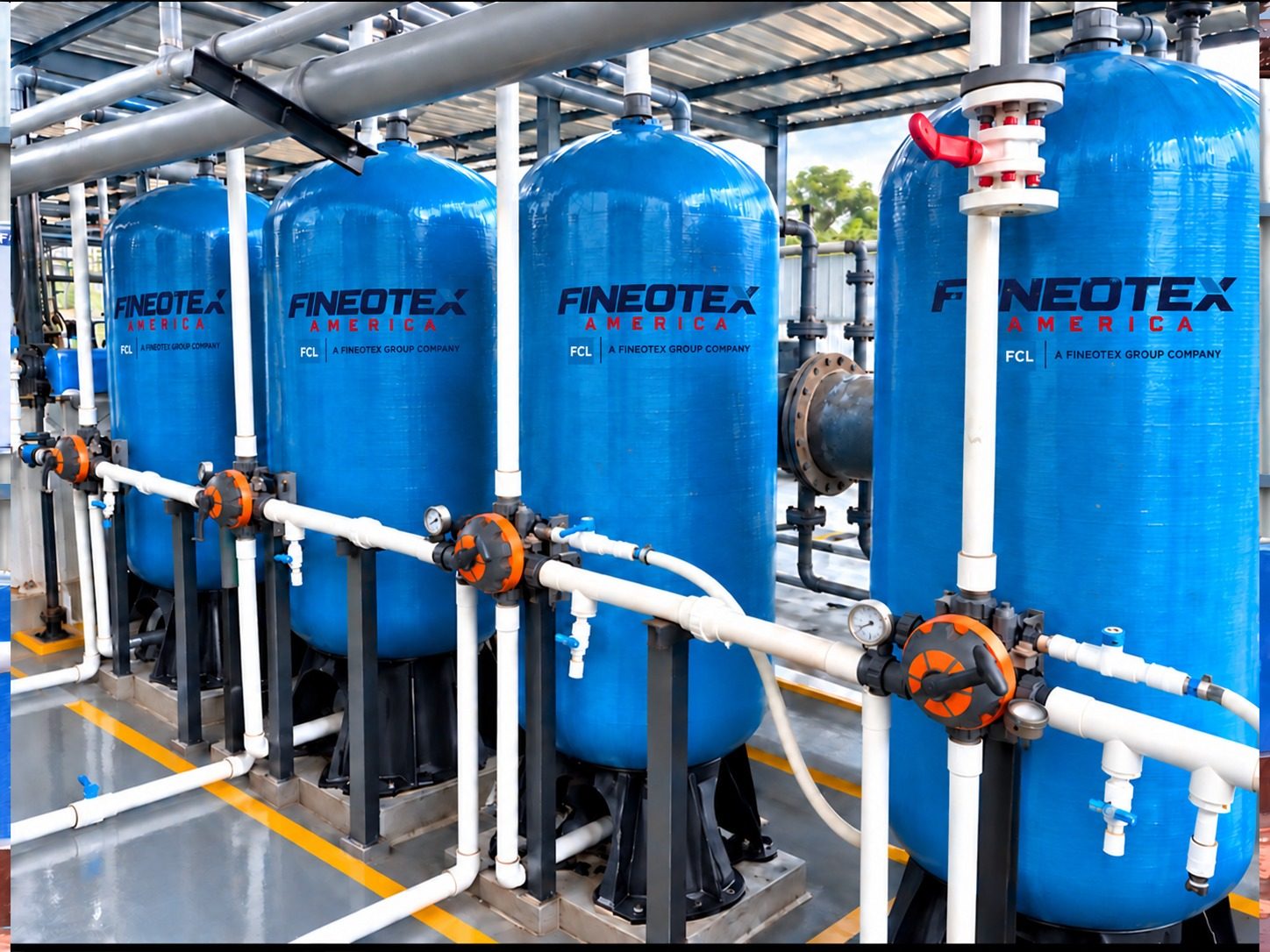 Piping · Skids · Tanks · Instrumentation
What we supply
-
Modular piping assemblies built and pressure-tested in a factory, then shipped to site as a complete unit. Compared with field-built piping, a skid cuts on-site labor, shortens schedules, and lets quality checks happen in a controlled shop before the unit ever reaches the data hall or yard.
-
The control and measurement hardware that makes a piping system operable: isolation and control valves, fittings and couplings, plus the flow, pressure and temperature instrumentation an operator needs to run the system safely.
-
Pre-engineered pump assemblies (pump, motor, baseplate, controls and often variable-frequency drives) sized and selected for a specific duty, whether that's circulating cooling water, transferring makeup water, or moving a chemical dosing stream.
-
The steel framing, pipe racks, hangers and anchors that physically carry piping and equipment loads, keep systems aligned under thermal expansion, and meet the seismic and wind-load requirements a site's engineering specs call for.
-
Trailer- and skid-mounted treatment and pumping equipment that covers a site's water needs while permanent infrastructure is still under construction, so a phased build doesn't leave a gap in service.
-
Stocked and sourced replacement parts for the equipment we install, so a failed seal, pump or valve doesn't turn into extended downtime while a part is located.
-
Lift stations use pumps in a wet well to move wastewater or process water uphill where gravity flow isn't possible, paired with the process piping and chemical storage tanks that route and hold the fluids a site's water and treatment systems depend on.
-
Geomembrane liners, typically HDPE, installed in wastewater lagoons, retention ponds and evaporation ponds to prevent seepage into groundwater, a standard requirement for sites that manage large onsite water volumes.
-
Thermoplastic piping selected for chemical compatibility and corrosion resistance, plus molded tanks, fittings and components manufactured to a site's specific drawings rather than pulled from a generic catalog.
What we build on
-
Engineering a mechanical system from first principles (sizing pipe, selecting materials, setting pressure and flow targets) rather than adapting a generic package to a site that doesn't quite fit it.
-
Building piping and equipment skids in a controlled shop, then pressure-testing, leak-testing and certifying each one before it ships, so problems surface on the shop floor instead of after installation.
-
P&ID-level engineering of how piping, valves and instrumentation work together, extended to the large-diameter piping runs that carry the volumes a data center or industrial site moves.
-
Getting equipment from delivered to operating to spec: installation oversight, startup, functional testing and the punch-list work that closes out a project.
-
Tying new mechanical equipment into whatever a site already has running, so an addition doesn't require shutting down or rebuilding systems that already work.
-
Sizing and sequencing mechanical infrastructure so a facility built in phases doesn't need its water or piping systems torn out and resized at every expansion.
-
Manufacturing piping, skids and components to a large operator's own specification and volume needs, as an extension of their supply chain rather than a one-off vendor relationship.
-
Molding processes used to produce tanks and components in durable, chemical-resistant plastics, with material selection matched to what the fluid being stored or conveyed actually requires.
What we run for you
-
On-site evaluation of existing conditions and requirements before design work starts, so a system is engineered for what a site actually has, not what a drawing assumes.
-
Coordinating shop fabrication schedules with delivery logistics, so equipment arrives on site in the sequence a construction schedule actually needs it.
-
Field crews who install and start up the equipment they helped specify, rather than handing a system to a separate contractor unfamiliar with the design intent.
-
Scheduled inspection, service and preventive maintenance after installation, so mechanical systems keep performing to spec rather than degrading silently.
-
A crew that can reach a site quickly when something needs attention outside a scheduled maintenance window.
-
As-built drawings, equipment manuals and maintenance records handed over at project close, so a facility team has what it needs to operate and service the system long after commissioning.
-
Standing service agreements covering both planned, long-term operations and maintenance and emergency response, so a facility has one point of contact for both.
-
Engineers assigned to a specific site rather than rotated through a call center, so the person responding to an issue already knows the system.
-
Production runs for tanks, piping and molded components built to a project's specific drawings, rather than only stocking standard catalog sizes.
-
Ongoing support after a system is installed: sourcing the right replacement part, and advising on material changes as a site's process or chemical exposure changes.
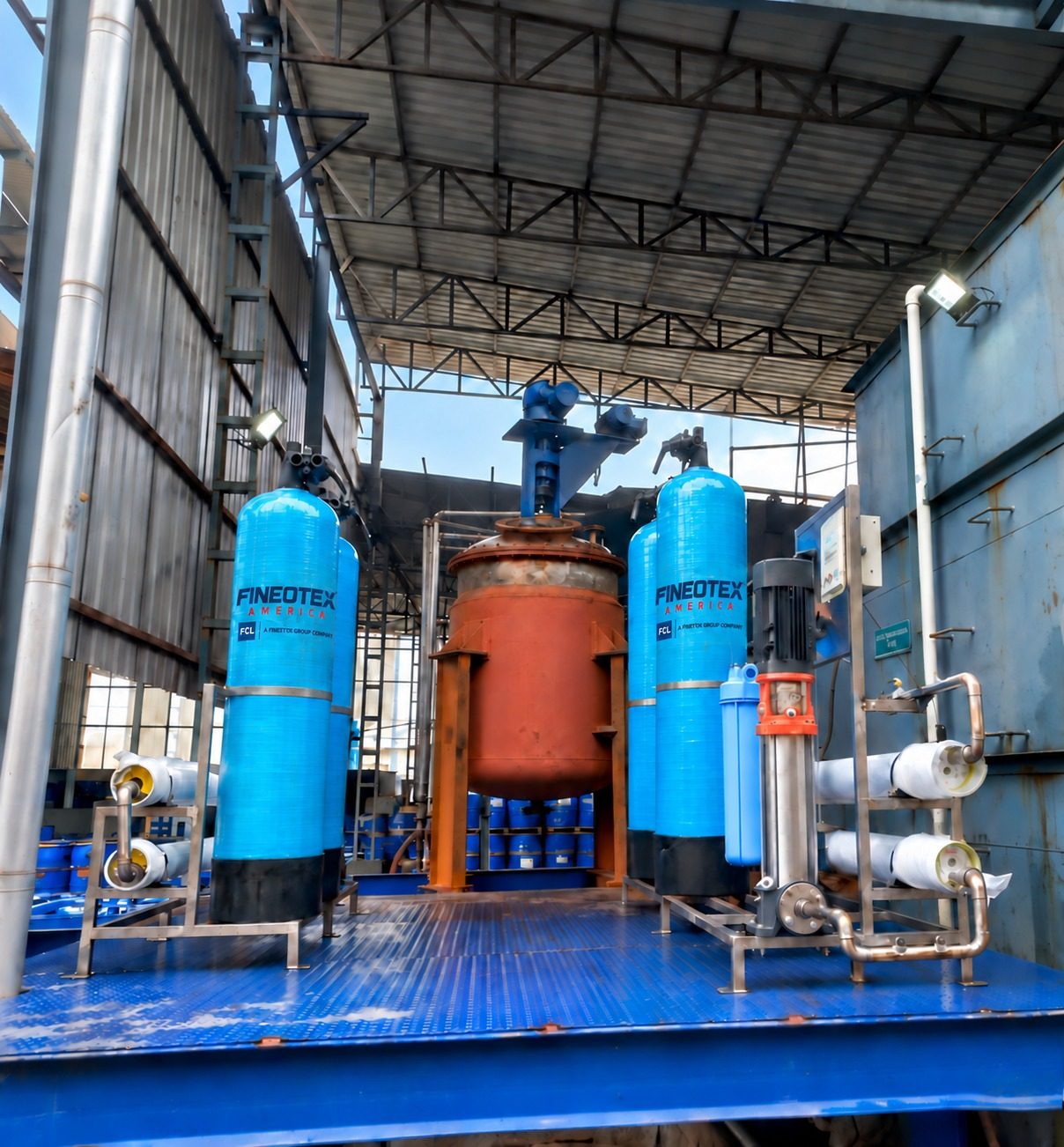
Same crews, same standard
The same field teams that commission our water programs install and commission this equipment: one point of accountability instead of separate contractors for water, mechanical infrastructure, and the piping and tanks that tie them together. We manufacture to the same specification our own installation crews require, so what we build here is already proven in our own programs.
- Dedicated project engineer
- Factory-tested before shipment
- On-site commissioning support
- Direct line to your engineer
Temporary & rapid-deployment systems
Construction, outages, commissioning windows and capacity spikes don't wait for permanent infrastructure. Mobile and rental equipment keeps a site supplied and compliant in the meantime.
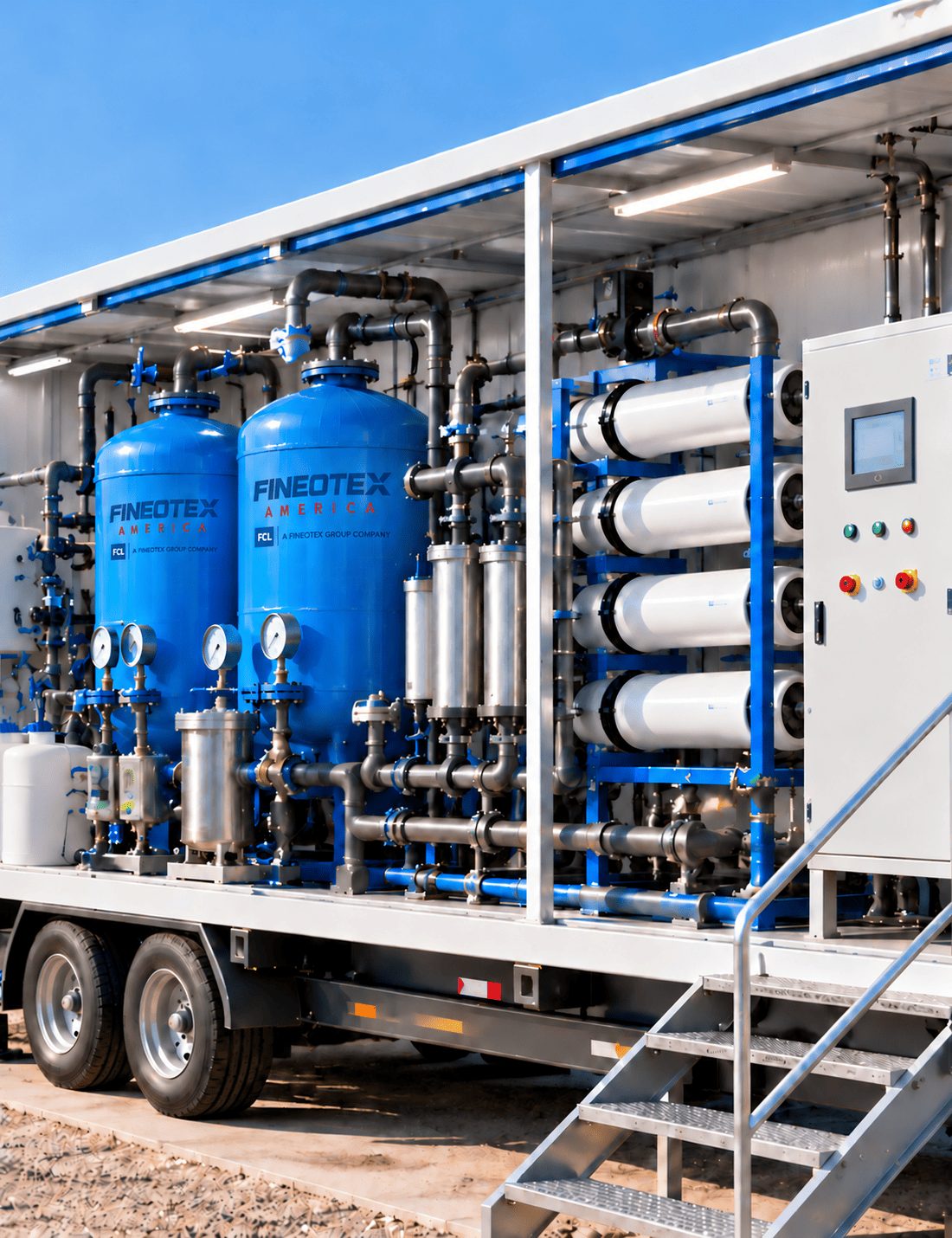 Trailer & skid-mounted units
-
Construction flush & fill
Pre-commissioning flush-and-fill programs for new cooling loops and piping systems, so a facility starts clean instead of inheriting construction debris.
-
Mobile disinfection units
Trailer- and skid-mounted units deployed to site for one-off or scheduled disinfection without shutting the loop down.
-
Hot-loop & cold-loop glycol treatment
Temporary glycol and chemical treatment run in bypass while permanent equipment is offline for maintenance.
-
Rental RO, MF & clarification
Short-term filtration and clarification capacity for planned shutdowns, commissioning, or emergency makeup water needs.
-
Bulk tank supply & lagoon/pond management
Temporary and permanent storage tanks, plus pond and lagoon liner, cleaning and management programs for sites handling large onsite water volumes.
-
Last-mile emergency water delivery
Tanker-based hauling to keep a site supplied when permanent makeup water is constrained or interrupted.
-
Full-time on-site maintenance & chemical supply
Dedicated engineers and a standing chemical supply contract for sites that want the program run day to day, not just installed.
-
Rapid mobilization
Equipment and crews that can reach a site on short notice, so an unplanned event doesn't become downtime.